

The best opera and classical voice schools in the US fall into three categories: universities, conservatories, and liberal arts colleges.
Excellent university classical voice programs include the University of Cincinnati, Northwestern University, Rice University, and Indiana University. These colleges combine rigorous vocal training with broader academic opportunities. Some of them even allow students to double-major in music and an outside subject.
Top conservatories include the Curtis Institute of Music, Peabody Institute, Eastman School of Music, and New England Conservatory. At these schools, voice students benefit from small studio sizes, ample performance opportunities in school-produced operas, and faculty who often maintain active performing careers.
Premier liberal arts colleges, such as Oberlin College and Bard College, are ideal for classical voice & opera students who want both serious musical training and a well-rounded education in an environment with a smaller student body than a large university.
Why These Are Among the Best Classical Voice Schools
Music School Central has chosen these 10 schools for the following reasons.
- Colleges with voice faculty who are not just educators, but also practitioners of opera performance at a high-level. You’ll find Grammy winners, Met Opera alumni, and more teaching at these schools.
- Colleges with outstanding reputations in the field. Each of these schools is widely recognized for producing top-tier vocal talent.
- Excellent performance opportunities, including schools putting on fully staged operas or similar experiences.
We also aim to introduce prospective parents and students to diverse college options, including liberal arts colleges, universities, and conservatories.
My other note to parents & students is that this list should serve as an introduction to some of the best classical voice schools, and you should aim to find your personal best-fit college, which may or may not be on this list, if you are looking into becoming a serious operatic performer.
Curtis Institute of Music
Philadelphia, PA | Notable Faculty – Amy Johnson, Jose Maria Condemi
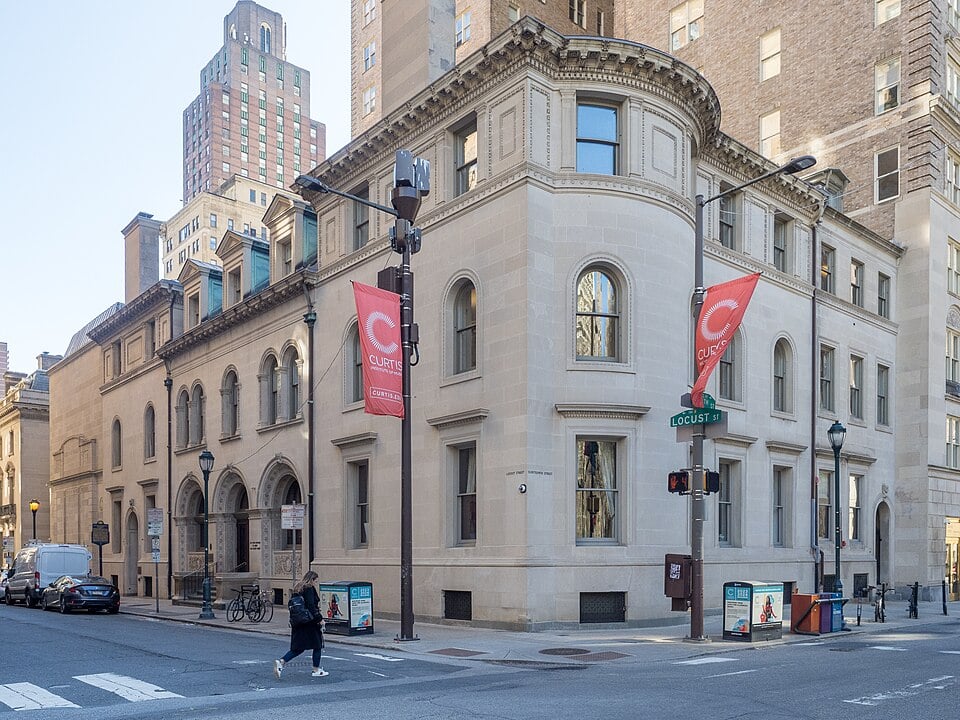
The World’s Most Selective Classical Voice Program
With an acceptance rate of just 4%, the Curtis Institute of Music is the most selective program in the world for vocalists.
One reason it is so selective is that Curtis offers full-tuition scholarships to all admitted students.
Another reason is that the entire Curtis student body consists of just 160 students total, creating an extraordinarily intimate learning environment.
This isn’t a program for beginners—Curtis admits only the most exceptional young musicians who are already performing at near-professional levels.
The Curtis Opera Theatre
Some excellent performance opportunities for voice students are offered by the Curtis Opera Theatre.
Voice students at Curtis are featured in fully staged operas. Curtis’ 2025-26 season includes a Baroque composer in Monteverdi and a modern composer in Saariaho.
The pre-professional training here has helped opera students find careers singing with great opera companies worldwide, such as La Scala, Houston Grand Opera, etc.
Notable Curtis Voice Alumni
Curtis has produced an extraordinary roster of opera singers:
Emily Pogorelc, who graduated from Curtis in 2018 (and is not yet 30!), is already a member of the Bavarian State Opera in Munich.
Judith Blegen, a light lyric soprano, sang over 200+ performances at the Met and European houses. She won multiple Grammy Awards and was a frequent guest on The Tonight Show Starring Johnny Carson.
J’Nai Bridges, a Grammy Award-winning mezzo-soprano, was profiled on PBS’s American Masters.
Application Deadline
December 10th: Application deadline for all music students
University of Cincinnati College-Conservatory of Music
Cincinnati, OH | Notable Faculty – Amy Johnson, Jose Maria Condemi
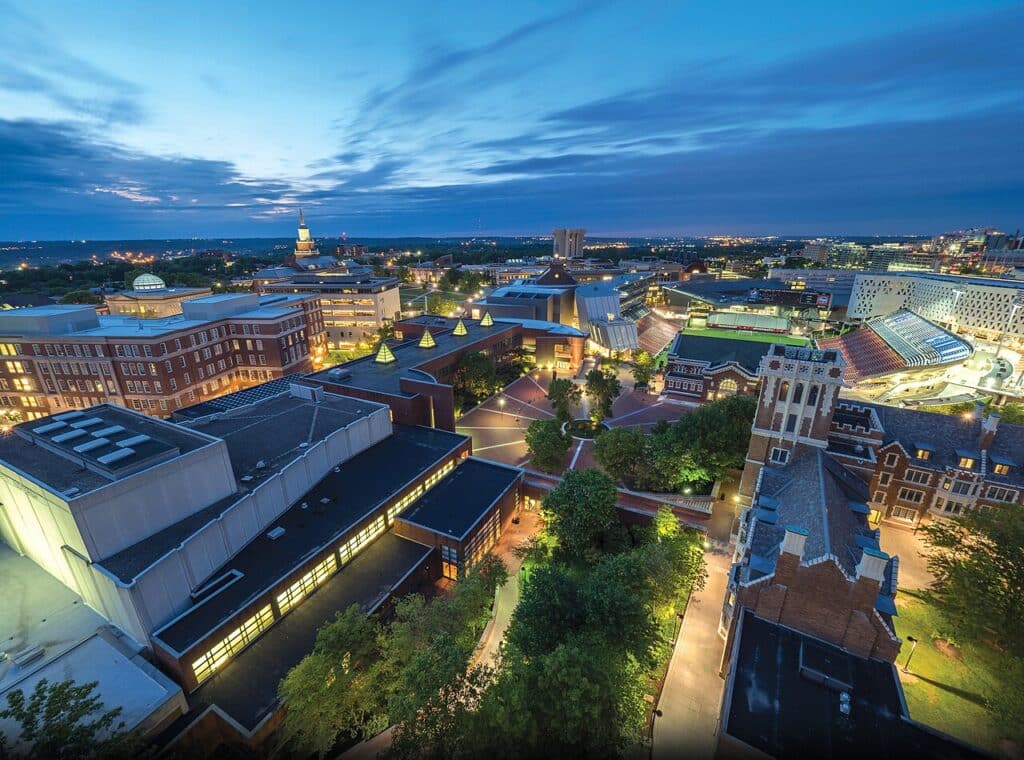
Young Artist Programs and Opera Companies Recruit On Campus
One of the University of Cincinnati College-Conservatory of Music’s (CCM for short) greatest advantages is direct access to the professional opera world.
Thanks to CCM’s fine facilities and high-caliber talent pool, many young artist programs and regional opera companies hold on-site auditions at the conservatory.
This means career opportunities come directly to you. Instead of traveling across the country for auditions, CCM students can showcase their talents for companies and apprentice programs without leaving campus!
Two Full Opera Productions—One Designed for Undergrads
Cincinnati’s Departments of Opera and Voice offer one of the country’s great opera and vocal training programs, with students benefiting from abundant stage exposure through two full-length opera productions annually at the Corbett Auditorium and the Patricia Corbett Theater.
One of these productions is specifically designed for undergraduate singers, ensuring undergrads get leading roles without competing against graduate students.
The B.M. program requires seniors to spend six hours each week in an Opera Workshop, where they devote time specifically to preparing for professional auditions. This career-focused training helps CCM graduates transition into the opera world.
Opera Fusion: Creating New Works
Opera Fusion is an exciting partnership between CCM and Cincinnati Opera, where composers participate in a 10-day Cincinnati residency to workshop new operas. These productions are cast and led by CCM students alongside professional artists.
This gives voice students the unique opportunity to create roles in brand-new operas. Working with living composers and premiering new works develops different skills from performing established repertoire, making CCM students particularly versatile.
Application Deadline
December 1st: Application deadline for the University of Cincinnati College-Conservatory of Music
New England Conservatory
Boston, MA | Notable Faculty – Carole Haber, Jane Eaglen, Michael Meraw, Bradley Williams, Ricardo Lugo
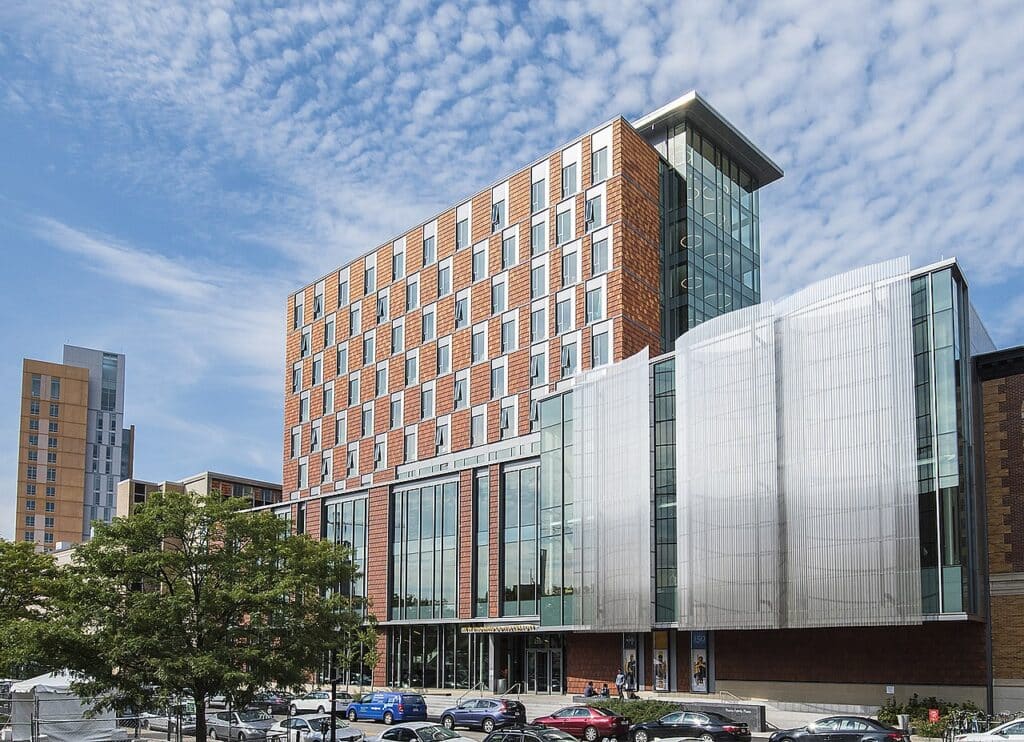
Opera Performance Without Competing Against Grad Students
For undergraduate students, NEC offers the Undergraduate Opera Seminar (UGOS), a fantastic opportunity to perform opera scenes and fully staged operas without competing with graduate students for roles.
This gives undergraduate voice students meaningful stage experience, allowing them to develop their operatic skills in a supportive community with others at a similar vocal development level.
For older students pursuing a master’s degree, the Graduate Opera Studies program is available.
Boston’s Classical Music Scene
Being in Boston puts opera students at the center of a vibrant classical music community. Voice students have opportunities see shows put on by professional ensembles like the Back Bay Chorale and the Metropolitan Chorale.
Additionally, the Boston Symphony Orchestra is just steps away from NEC on the same street, regularly hosting operatic soloists who sing with the symphony.
Application Deadline
December 1st: Application deadline for voice programs
Indiana University Jacobs School of Music
Bloomington, IN | Notable Faculty – Carol Vaness, Russell Thomas, Brian Horne
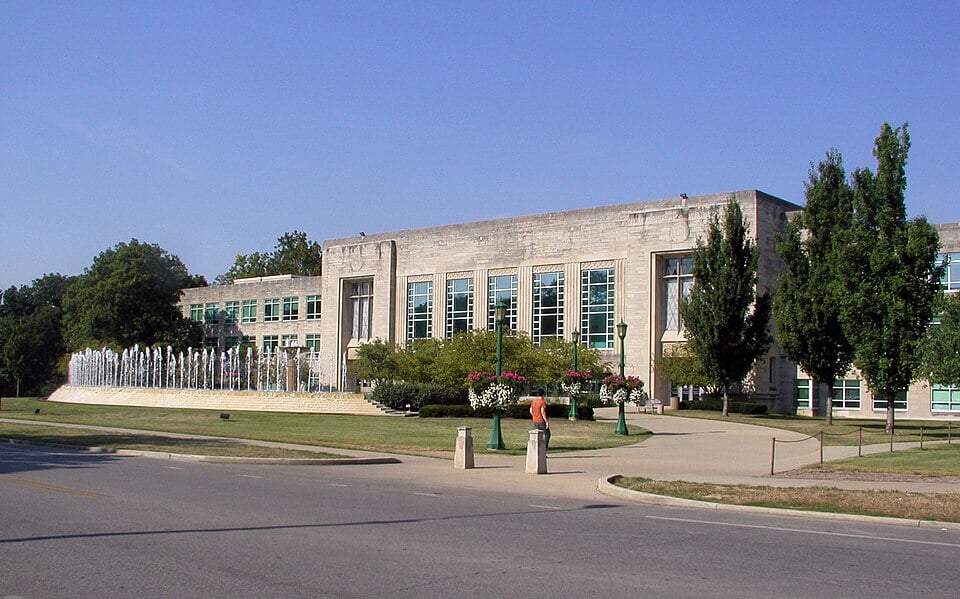
Five Operas Staged Annually
Indiana University’s Jacobs School of Music is best for students interested in a larger university program with practically limitless performance opportunities.
With five fully staged operas per year, IU offers more opera production experience than nearly any other school in the country—and these roles are available to both undergraduate and graduate students.
What I particularly like is how the school embraces both classical and modern opera. In a recent year, they put on a production of contemporary composer Mason Bates’s The Amazing Adventures of Kavalier and Clay, and in the same year putting on Puccini’s opera Suor Angelica.
From Bloomington to the Met: IU’s Classical Voice Alumni
IU Jacobs has produced MANY exceptional singers, too many to be listed in the confines of this one article, including:
Sylvia McNair, a two-time Grammy Award winner, is renowned for her work in not only classical music but also theatre and jazz.
Nadja Michael has appeared at La Scala, Royal Opera House Covent Garden, Vienna State Opera, and made her Metropolitan Opera debut as Lady Macbeth.
William Burden has performed lead roles at major opera houses and is currently on faculty at Juilliard.
Application Deadline and Strategy
- November 1st: Early Action deadline (apply to main university)
- December 1st: Final deadline for music applications
I recommend FIRST applying to IU’s main university by the November 1st Early Action deadline, then to the music school by December 1st, to maximize your chances of admission and merit scholarships.
Rice University Shepherd School of Music
Houston, TX | Notable Faculty – Nova Thomas, Robin Rice, Ana Maria Martinez
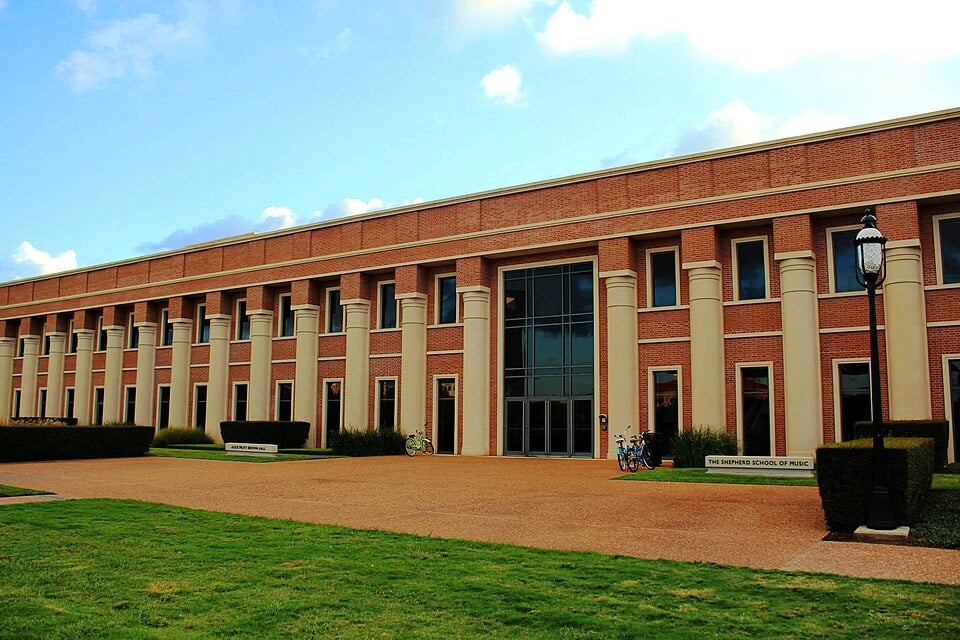
A Brand-New, World-Class Opera Facility
There’s no better time than now to apply to Rice, as the school recently completed construction of the 84,000-square-foot Brockman Hall for Opera.
This state-of-the-art facility features the Morrison Theater, a European-style, three-tiered performance space with 600 seats and an orchestra pit accommodating 70 musicians.
The acoustics are exceptional, and additional spaces include dedicated rehearsal rooms and classrooms designed specifically for opera training.
An Intimate Conservatory Within a T20 University
The Shepherd School of Music is notably smaller than programs like Indiana University’s; while IU’s entire music program enrolls 1,600 students, Shepherd has fewer than 300 music students total.
This creates an intimate, conservatory-like environment where voice students receive personalized attention from faculty while also having access to Rice University’s broader academic resources and prestige.
However, unlike at a school such as Northwestern University, where double-majoring is part of the culture, Shepherd faculty often advise students to focus solely on music because of the demanding schedule expected of musicians.
Rice, as a whole, is currently ranked in the top 20 universities by US News.
Masterclasses with Opera Legends
On-campus sessions—part of the Aleko Masterclass/Recital Series—feature leading experts such as legendary soprano Renée Fleming.
These masterclasses give Shepherd classical voice students direct access to the insights and expertise of opera’s biggest stars.
Application Deadline
December 1st: Application deadline for Shepherd School of Music
Northwestern University Bienen School of Music
Evanston, IL | Notable Faculty – Karen Brunssen, W. Stephen Smith

Alumni Winning at the Metropolitan Opera and Beyond
Bienen School of Music’s recent voice alumni are making headlines, recently winning Metropolitan Opera National Council auditions and other prestigious competitions.
This success stems from ample performance opportunities—voice students audition for three full opera productions annually, giving them extensive stage experience throughout their time at Northwestern.
The Double Major Advantage
Northwestern embraces double majoring & dual degrees for music students. To be clear, it is not required to be a double major, but Northwestern makes it much easier to do so than other schools.
This is thanks to the school’s quarter system, which divides the academic year into three 10-week terms, allowing students to take more classes and thus fulfill the credit requirements for two majors.
Voice students can choose to pursue a degree in voice alongside another academic passion—whether that’s economics, psychology, journalism, or nearly any field Northwestern offers.
Application Deadlines
- October 15th: Early Decision deadline
- December 1st: Regular Decision deadline
Eastman School of Music
Rochester, NY | Notable Faculty – Anthony Dean Griffey, Katherine Ciesinski, Joshua Conyers
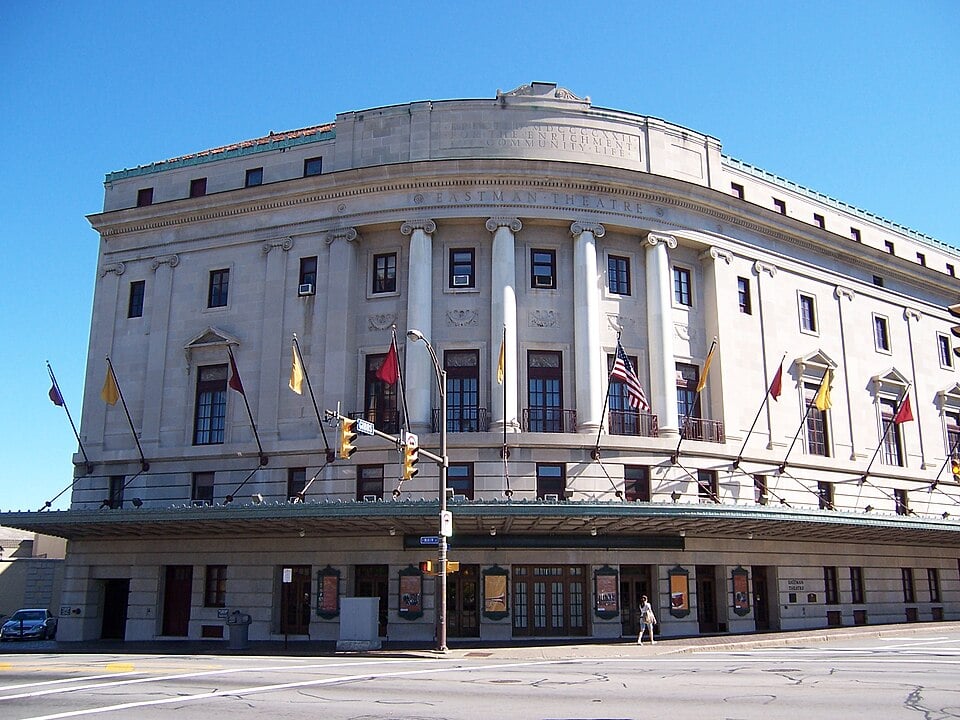
Extensive Vocal Coaching Beyond Weekly Lessons
Behind a thriving alumni network is a foundation of expert faculty. Eastman employs seven full-time studio teachers who offer professional vocal coaching services in addition to their standard course offerings.
First-year and sophomore students receive seven half-hour coaching sessions each semester, while juniors, seniors, and graduate students receive seven 45-minute sessions each semester.
In addition to these one-on-one coaching sessions, each voice major benefits from an hour-long weekly studio lesson focusing on developmental exercises, vocal techniques, and collaboration with pianists.
Choral and Opera Opportunities
Most voice students participate in one of four choral groups, such as the selective Eastman Chorale.
The Friends of the Eastman Opera is a long-standing support group and “fan club” that sponsors competitions, grants, and other opportunities for voice students in the Eastman School of Music.
Application Deadline
December 1st: Application deadline for Eastman School of Music
Oberlin College
Oberlin, OH | Notable Faculty – Salvatore Champagne, Katherine Jolly
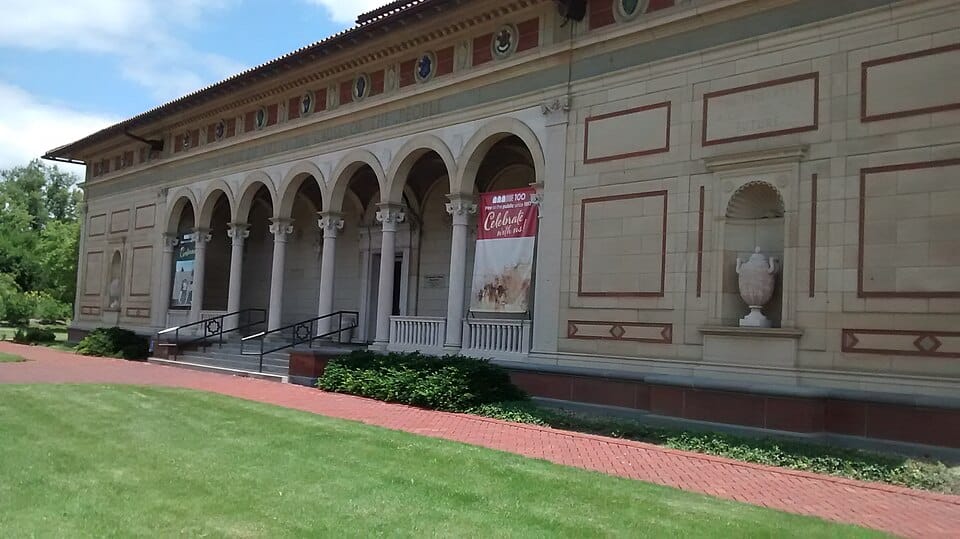
Opera Theater Productions
Oberlin Opera Theater presents two major mainstage productions with orchestra each year, plus a small-scale opera during Winter Term.
Recent productions include Bernstein’s Candide, Mozart’s La finta giardiniera, Britten’s Albert Herring, and Kurt Weill’s Street Scene.
Students also perform in a program of opera scenes each semester on Oberlin’s historic Finney Chapel stage, gaining extensive performance experience without competing against graduate students.
All Resources Funneled to Undergraduates
Oberlin is perfect for students seeking an undergraduate education.
There actually is no graduate program in classical voice at Oberlin, so all resources are funneled toward undergraduates—meaning you won’t compete with graduate students for faculty attention, performance opportunities, or opera roles.
That’s not to say attending a school with a graduate program is necessarily a bad thing; mentorship from older students can be a huge plus. However, some students may find their best “fit” college in a smaller environment like that of Oberlin’s.
Notable Voice Alumni
Oberlin’s voice alumni include:
Alyson Cambridge, the youngest winner of the Met Opera Council Auditions in 2003 at age 23.
David Miller, of classical crossover group Il Divo (which has sold 30 million records)
Denyce Graves, a star in the world of classical vocal performance who is also now on the faculty at Peabody and Juilliard.
Application Deadline
December 1st: Application deadline for Oberlin Conservatory of Music
Here’s the Peabody section in the concise CCM format:
Peabody Conservatory of the Johns Hopkins University
Baltimore, MD | Notable Faculty – Elizabeth Futral, Denyce Graves
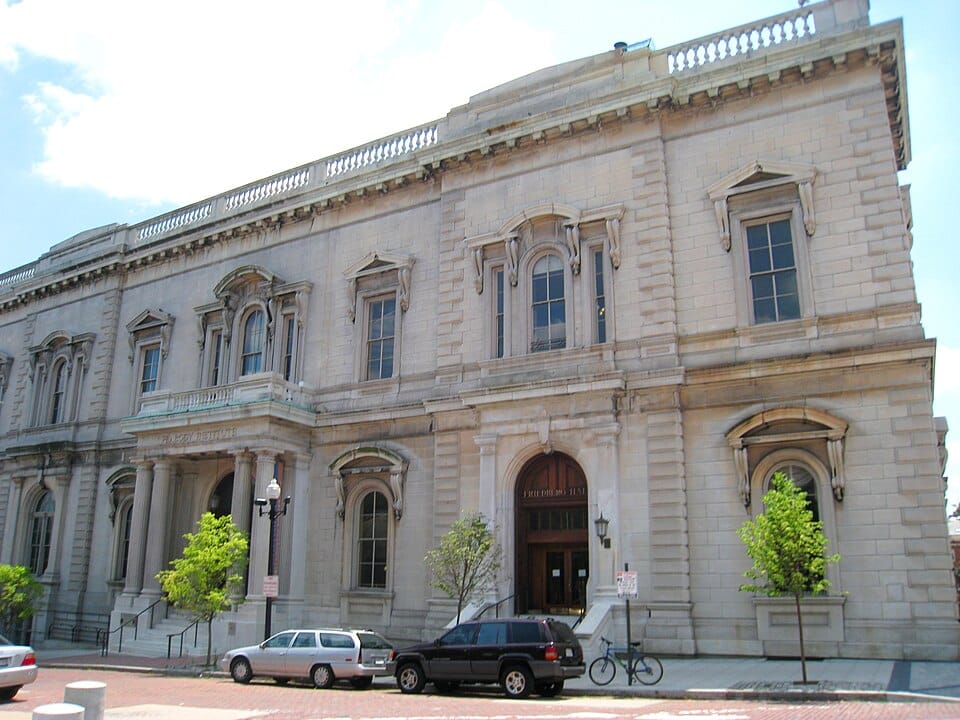
Abundant Performance Opportunities
Students in Peabody’s opera performance program have many opportunities to sing in front of live audiences, with 40 performances annually in venues large and small.
The opera department divides its offerings into two streams: classroom curriculum (such as movement, acting, and seminar classes) and public performances used to stage classic and modern opera alike.
Peabody Chamber Opera presents productions of smaller operas in conjunction with the Theatre Project, a performing arts organization in Baltimore. There’s also a course at Peabody called “Opera in Action,” which is open to older students by audition.
Application Deadline
December 1st: Application deadline for Peabody Conservatory
Bard College-Conservatory of Music
Annandale-On-Hudson, NY | Notable Faculty – Tami Petty, Rufus Müller, Teresa Buchholz, Stephanie Blythe
Five-Year Dual Degree for All Students
What stands out about Bard is its five-year dual-degree program, in which all conservatory students earn both a Bachelor of Music and a Bachelor of Arts in a field other than music. This isn’t optional – it’s actually what all the conservatory majors do.
Bard is ideal for students who want to be surrounded by both musical talent and intellectual peers across numerous majors, fully integrated into a liberal arts college rather than confined to a conservatory.
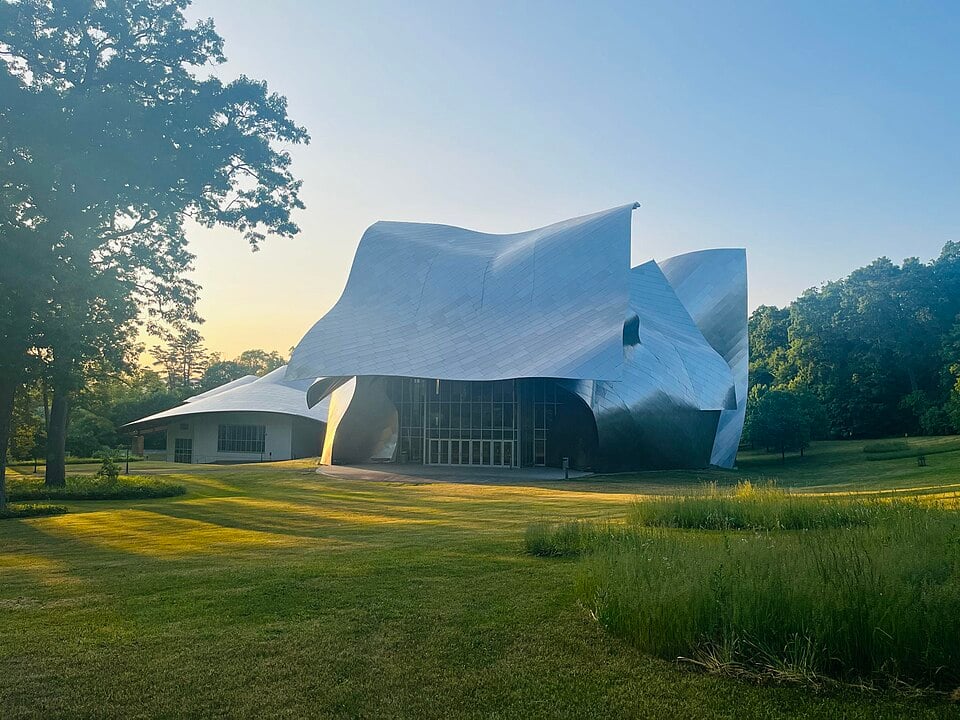
Summerscape Festival at the Frank Gehry-Designed Fisher Center
Every summer, Bard presents Summerscape, a major music festival featuring annual opera productions.
Students and professionals perform side by side in the stunning Fisher Center, one of the best college music facilities in the country, designed by legendary architect Frank Gehry.
These performances give students the chance to work alongside seasoned professionals in a world-class venue.
Graduate Program Directed by Stephanie Blythe
Separate from the undergraduate program, Bard offers a graduate vocal program—unusual for a liberal arts college (most focus on undergraduate education).
The program is directed by Stephanie Blythe, among the most acclaimed living opera singers in the world.
Application Deadline
January 1st: Application deadline for Bard College Conservatory of Music (later than most other schools)
Frequently Asked Questions About Classical Voice & Opera Programs
At most classical voice schools, there are two rounds: a pre-screening round and a live audition round. The prescreening is recorded on video (not audio only), and I strongly suggest live accompaniment in the video.
If you pass the pre-screening and make it to the audition, you will prepare art song repertoire if you are an undergraduate student. This repertoire is typically an Italian art song, an English art song, and sometimes a French and/or German art song.
Graduate students often have to sing an aria in addition to art songs.
The most selective classical voice college is Curtis, with a 4% acceptance rate. Following closely is Juilliard, with an approximately 8% acceptance rate.
At the graduate level, the Academy of Vocal Arts accepts 8 students each year from over 200 applicants, giving it an acceptance rate of less than 5% in most years.
Liberal arts colleges offer the easiest pathways for this, as well as many academic universities like Northwestern and the University of Michigan.
The most common three are the Bachelor of Music (BM), the Master of Music (MM), and the Doctor of Musical Arts (DMA).
Some schools also offer an Artist Diploma (AD), which is a two-year degree.
It depends on the school!
Some classical voice programs require high grades for admission, while others have lower expectations. Independent conservatories tend to be less academically selective than highly-ranked universities.




.jpg)
.jpg)
,_2017.jpg)


